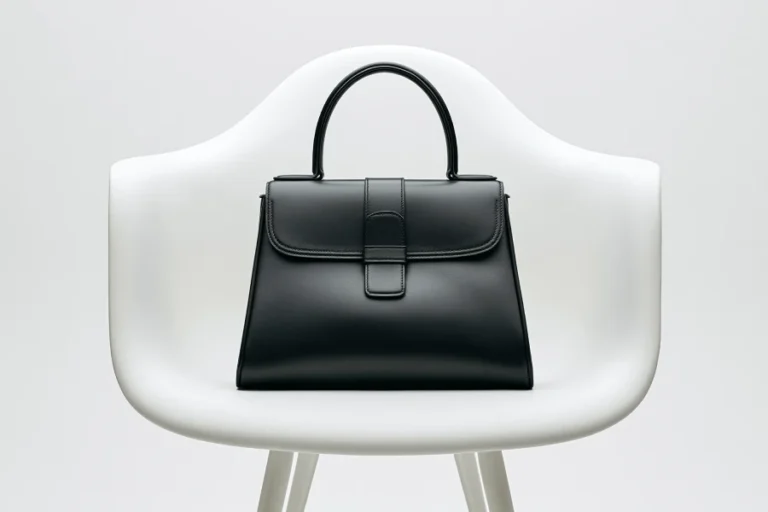
KonMari Closet Method work starts with seeing your wardrobe honestly. Most closets become crowded one quiet decision at a time. A sale piece stays because it was expensive. A gift stays because it feels polite. A smaller size stays because it carries hope. Over time, these pieces make getting dressed feel heavier than it should. A clearer process helps you decide from your current life, not old obligations. It also gives every item a moment of attention. The goal is not a severe closet. The goal is a wardrobe that feels easier, lighter, and more aligned.
Why KonMari Closet Method Starts With the Full Clothing Category
The first powerful step is gathering everything in one place. Clothes hidden in storage, laundry, drawers, and spare rooms still count. A true clothing category reset reveals the real volume you manage. That full view can feel uncomfortable, but it is useful. You stop making tiny decisions from isolated corners. You begin seeing patterns, duplicates, and neglected pieces. Touch each item before deciding. Notice texture, fit memory, and emotional reaction. A closet becomes easier to edit when every piece has been seen. Visibility creates honest momentum.
Making the Joy Question Practical
The joy question works best when it connects to real use. Ask whether the item feels comfortable, current, and supportive. Ask whether it helps you dress as the person you are now. A spark joy closet is not only sentimental. It also needs function. Some pieces bring joy because they make mornings easier. Others bring joy because they feel beautiful. Some no longer belong, even if they once mattered. A practical KonMari wardrobe edit respects gratitude without turning it into storage. Appreciation and release can exist together.
KonMari Closet Method for Guilt-Free Decisions
Guilt often disguises itself as responsibility. You may keep clothes because they were expensive, unworn, or tied to someone else’s opinion. That does not mean they deserve active closet space. A wardrobe decision system helps you separate past value from present usefulness. Thank the item for what it represented. Then ask whether it still supports your daily life. If not, release it responsibly. Donation, resale, repair, and textile recycling can all serve different outcomes. The KonMari Closet Method feels gentler when releasing becomes respectful instead of wasteful.
Rebuilding the Closet by Energy and Access
After editing, storage should support calm mornings. Keep favorite pieces where your eyes naturally land. Fold items so they stand visibly when possible. Hang garments that need structure, airflow, or wrinkle protection. Use intentional closet storage instead of decorative complexity. Group categories in a way that matches how you dress. Work clothes, casual layers, occasion pieces, and accessories may need different zones. Minimalist closet organization does not require owning very little. It requires letting every kept piece earn its place. A calm closet should help you choose faster.
KonMari Closet Method Maintenance After the First Reset
The first reset creates space, but maintenance protects it. New purchases should pass the same joy and use test. Do not let bags, returns, laundry piles, or sentimental maybes rebuild clutter. Strong tidy wardrobe habits keep the system alive. Review problem areas every season. Notice what stops feeling right. Move unloved pieces out before they become invisible again. Closet decluttering becomes less dramatic when it happens regularly. You are not starting over each time. You are keeping your standards visible.
KonMari Closet Method Results You Feel Every Morning
The real reward shows up during ordinary mornings. You open the closet and see pieces that make sense. You waste less time digging. You feel fewer quiet accusations from unworn clothes. You understand your style more clearly. You shop with better judgment because your closet already teaches you what works. The KonMari Closet Method creates emotional space as much as physical space. It turns clothing into support, not noise. When the wardrobe reflects your current life, getting dressed becomes simpler, calmer, and more personal.